The correct installation of anchors is essential to ensure the strength and safety of fixings, guaranteeing optimal performance and long-term reliability. For a secure and durable anchorage, it is crucial to carefully follow installation procedures, use appropriate tools, and comply with the specified installation times and values indicated in the technical data sheets. For this reason, we recommend always consulting the updated product technical data sheets to access any revisions or updates to technical information.
Ancoranti chimici
Installing chemical anchors requires precision, dedicated tools, and strict adherence to a sequence of steps to guarantee proper installation, maximum load capacity, and safety.
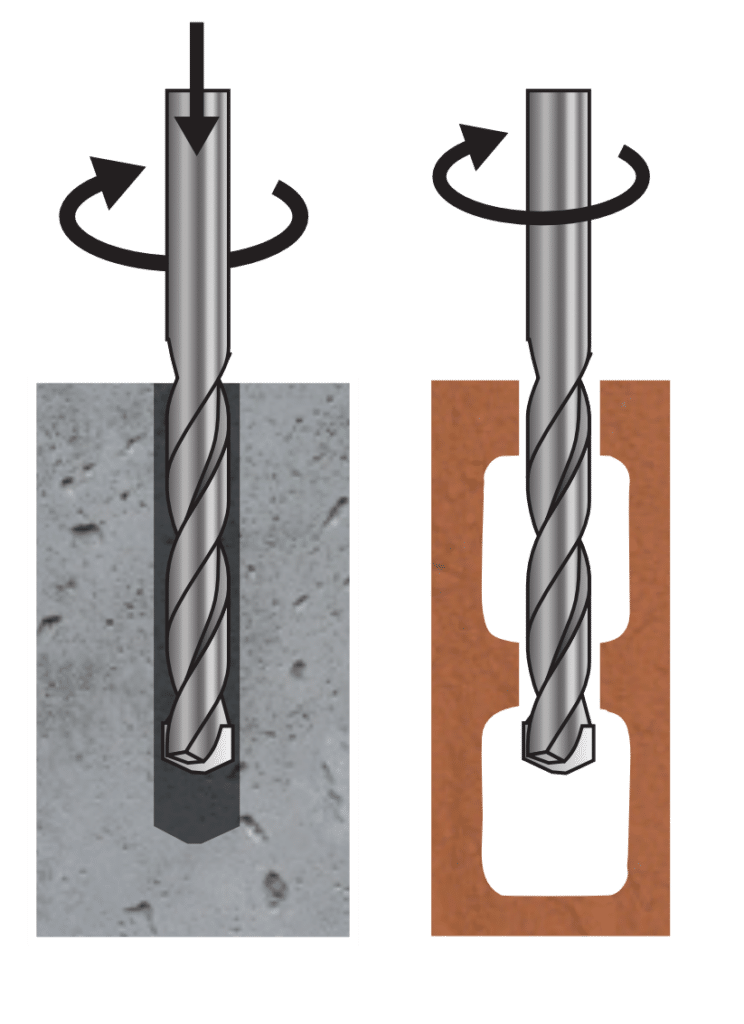
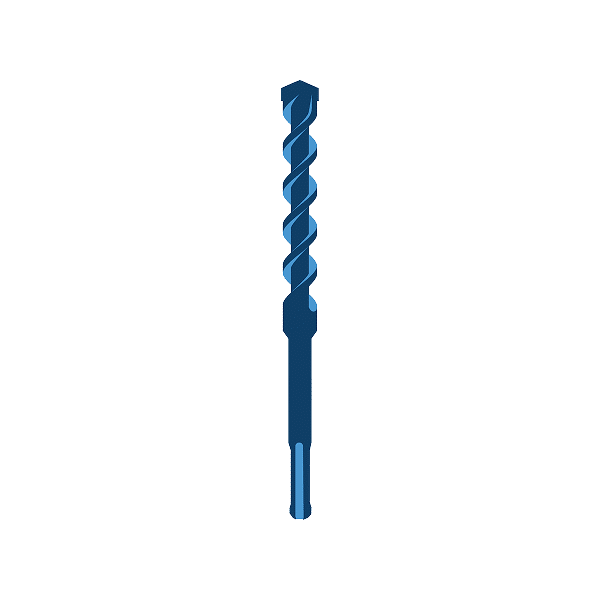
1. Forare i materiali pieni con trapano a rotopercussione, mentre per i materiali forati utilizzare solo la rotazione per evitare danni al supporto. Controllare sempre la perpendicolarità del foro.
The hole diameter must be larger than the threaded rod or rebar to be installed, as specified in the technical data sheet.
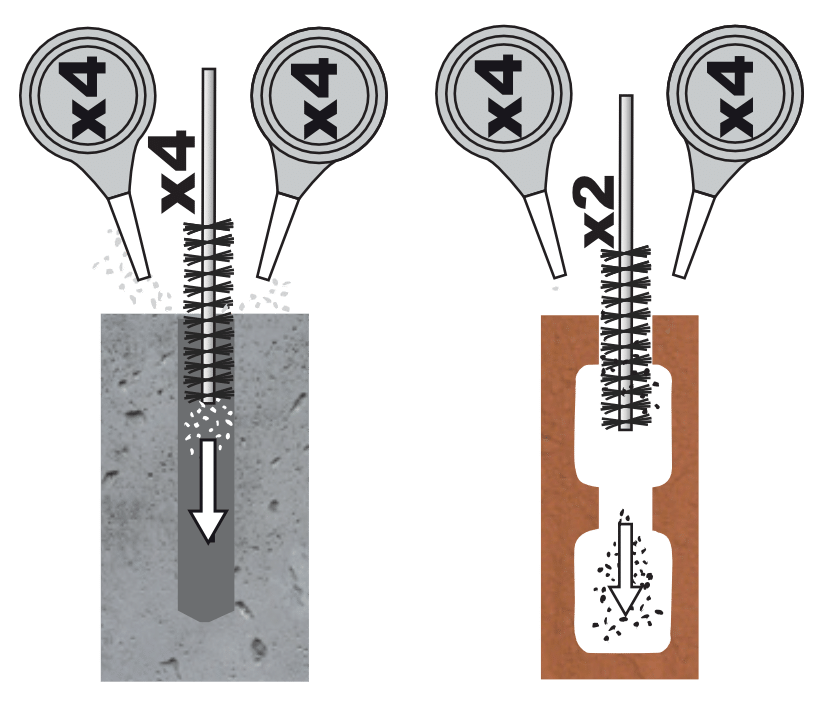
2. Procedere alla pulizia del foro, necessaria per garantire l’adesione della resina. Soffiare il foro con pompa soffiante o compressore d’aria per rimuovere completamente polvere e residui, quindi pulire le pareti con scovolino metallico di diametro superiore a quello del foro (per esempio, per barra M12 con foro 14, lo scovolino consigliato è 16). Soffiare nuovamente fino a ottenere un foro perfettamente pulito.
Incomplete cleaning can compromise load performance and pose a safety risk.
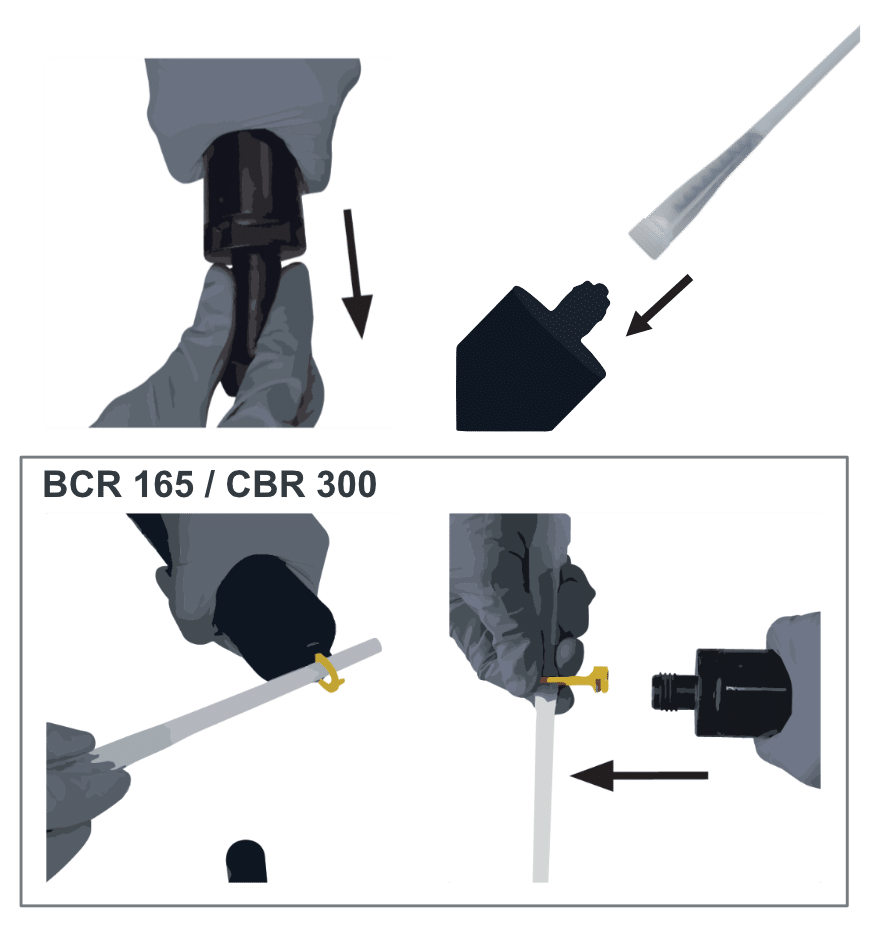
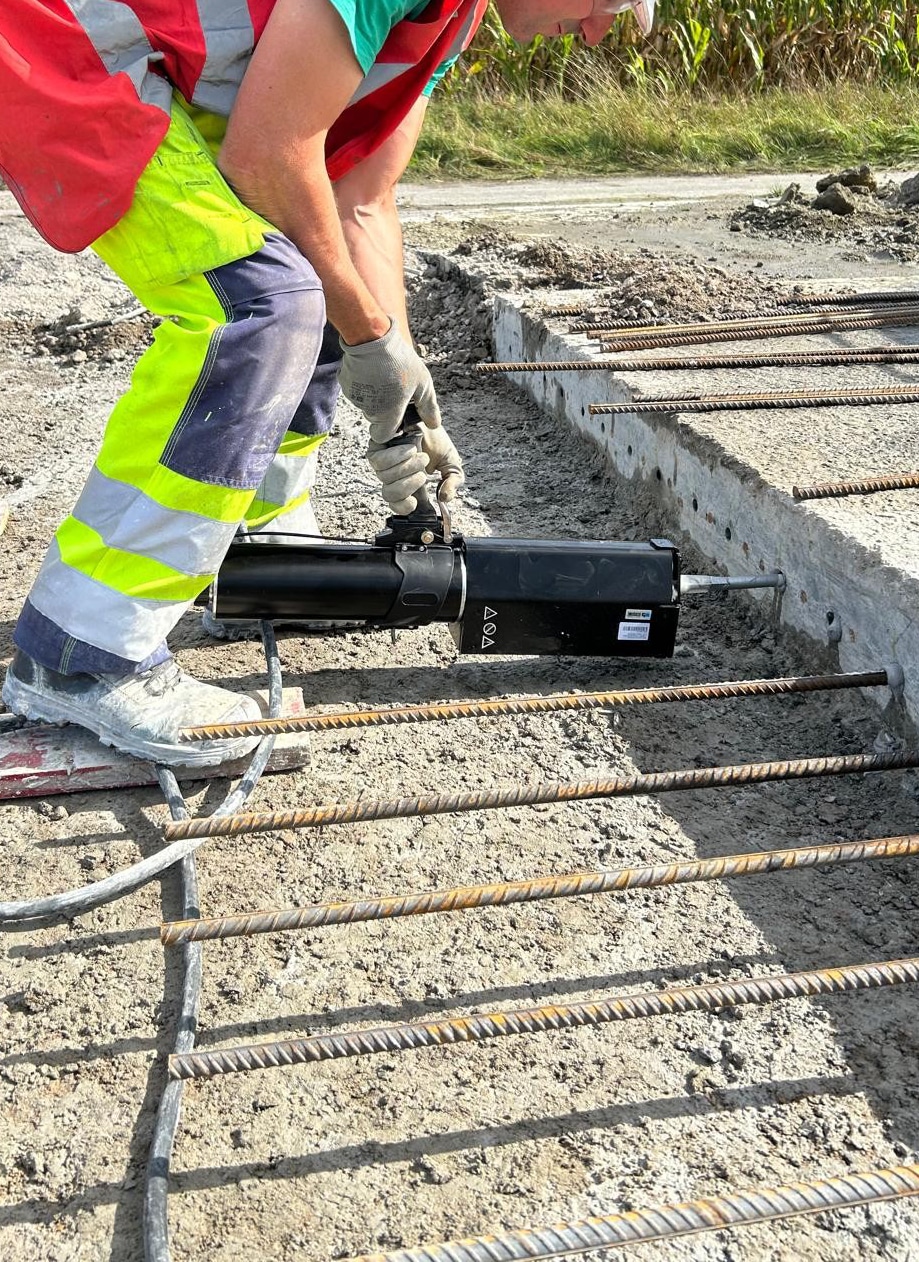
3. Preparare la cartuccia svitando il tappo. Nei formati 300 ml e 165 ml rimuovere la clip metallica inserendo il miscelatore nell’asola dell’estrattore in plastica, tirando per sfilare la clip di chiusura del sacchetto. Avvitare quindi il miscelatore e inserire la cartuccia nel dispenser, utilizzando protezioni per mani e viso.
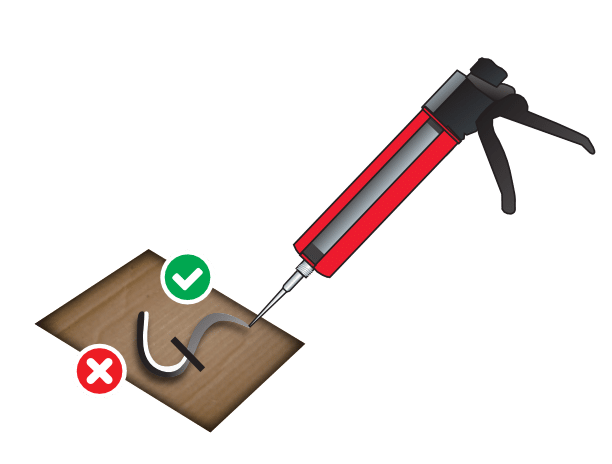
4. Check that the components are properly mixed by extruding an initial portion of the product. The two components (A white and B black) must be fully blended until a uniform color is achieved; only then is the product ready for use.
If mixing is incomplete, the chemical reaction may fail, and the resin may not cure properly, compromising anchoring performance.
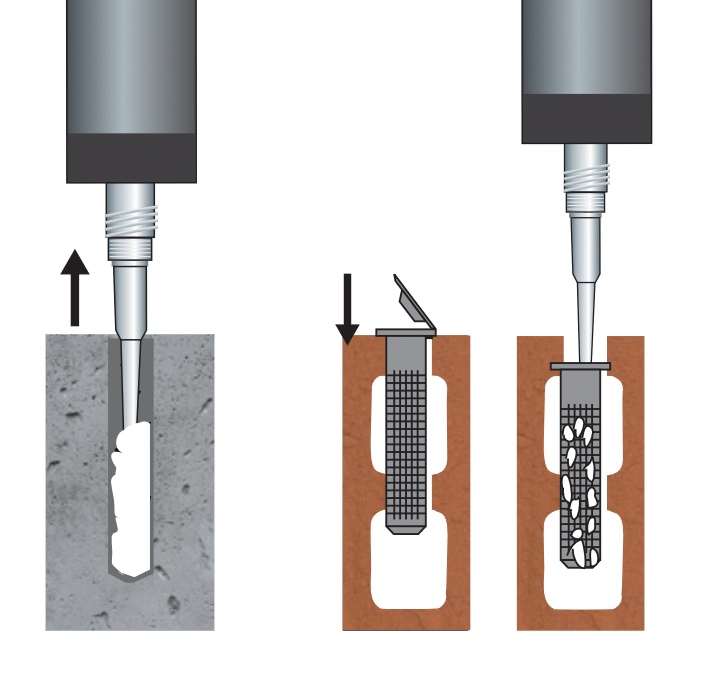
5. Estrudere la resina partendo dalla base del foro fino a riempirlo per circa due terzi. Per materiali forati, inserire la gabbietta plastica o metallica e poi estrudere la resina fino al completo riempimento della gabbietta. Per fori profondi utilizzare prolunghe applicate all’estremità del miscelatore in modo da garantire il corretto riempimento dal fondo verso l’uscita, evitando bolle d’aria o zone senza resina.
L’ancorante chimico è tixotropico, quindi non cola e può essere impiegato anche in applicazioni sopra testa. L’uso della prolunga con tappo per l’iniezione permette di controllare con precisione il flusso della resina, garantendo il riempimento corretto del foro dal fondo verso l’uscita.
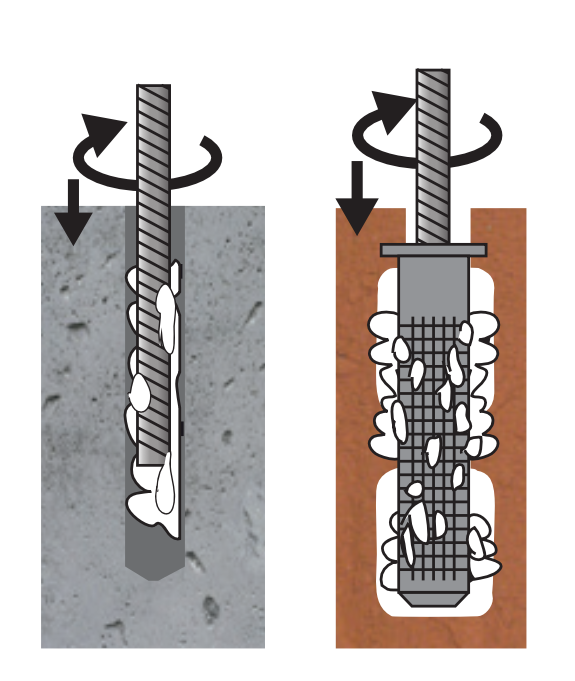
6. Insert the clean and dry threaded rod or rebar with a slow twisting motion to eliminate air pockets.
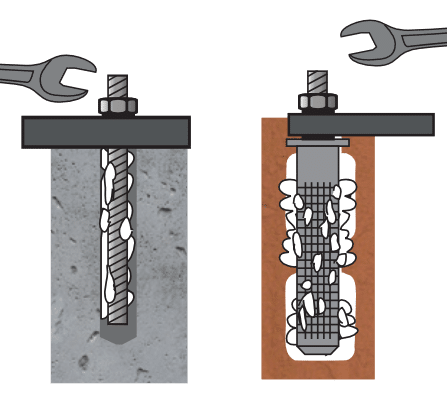
7. Respect the curing times specified in the technical data sheet before applying torque or load.
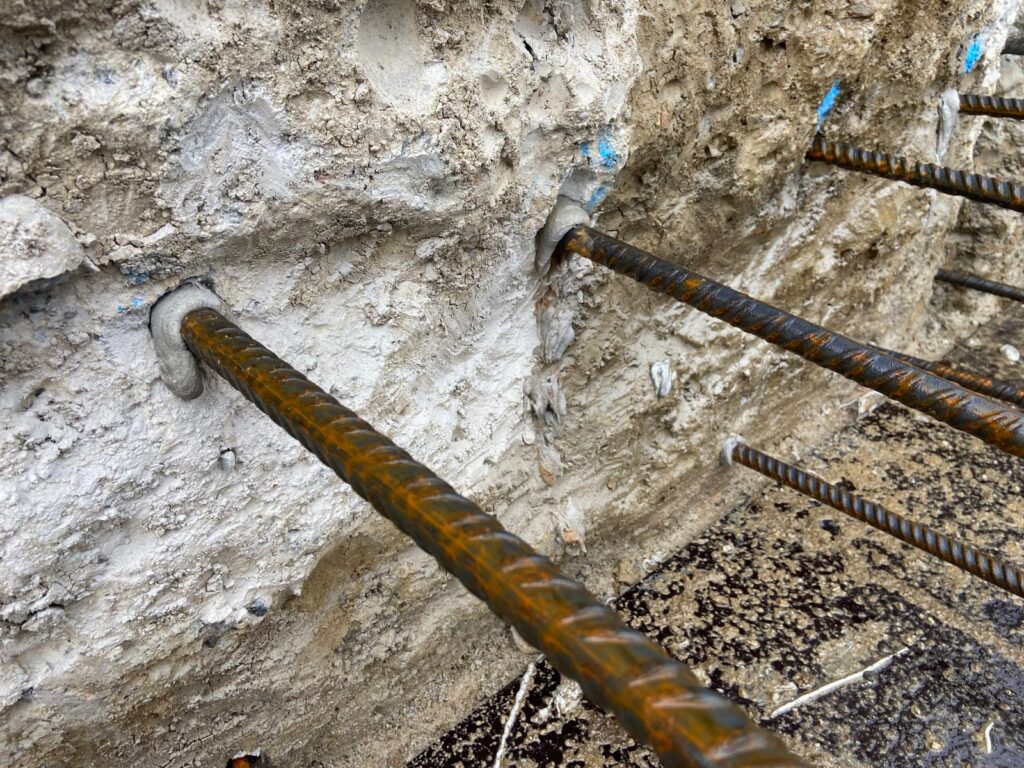
Ancoranti meccanici
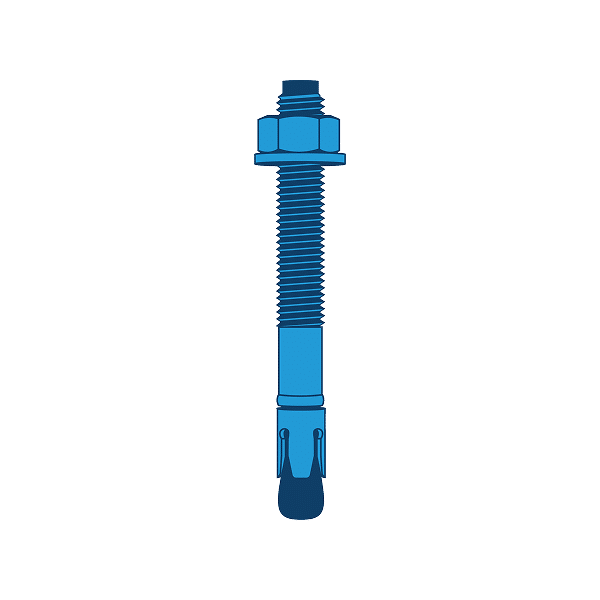
Even for mechanical anchors, strictly following the correct operational sequence, from drilling to tightening, is essential to ensure full efficiency and the safety of the anchorage.
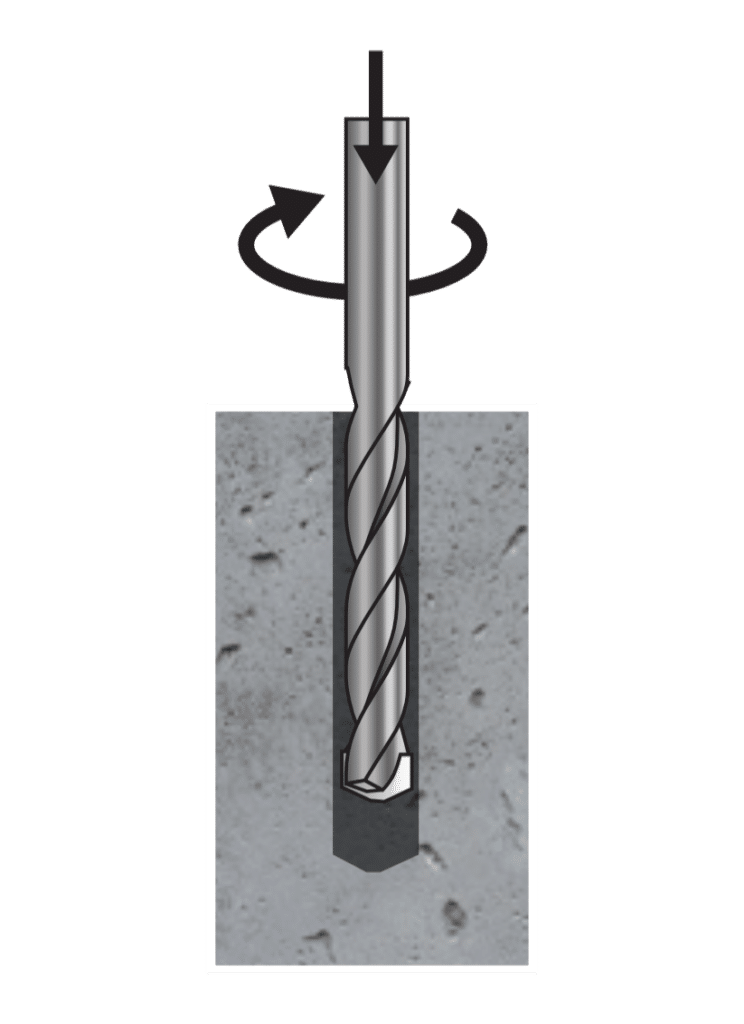
1. Forare il supporto con trapano a rotopercussione, utilizzando il diametro corretto indicato in scheda tecnica e controllando sempre la perpendicolarità del foro.
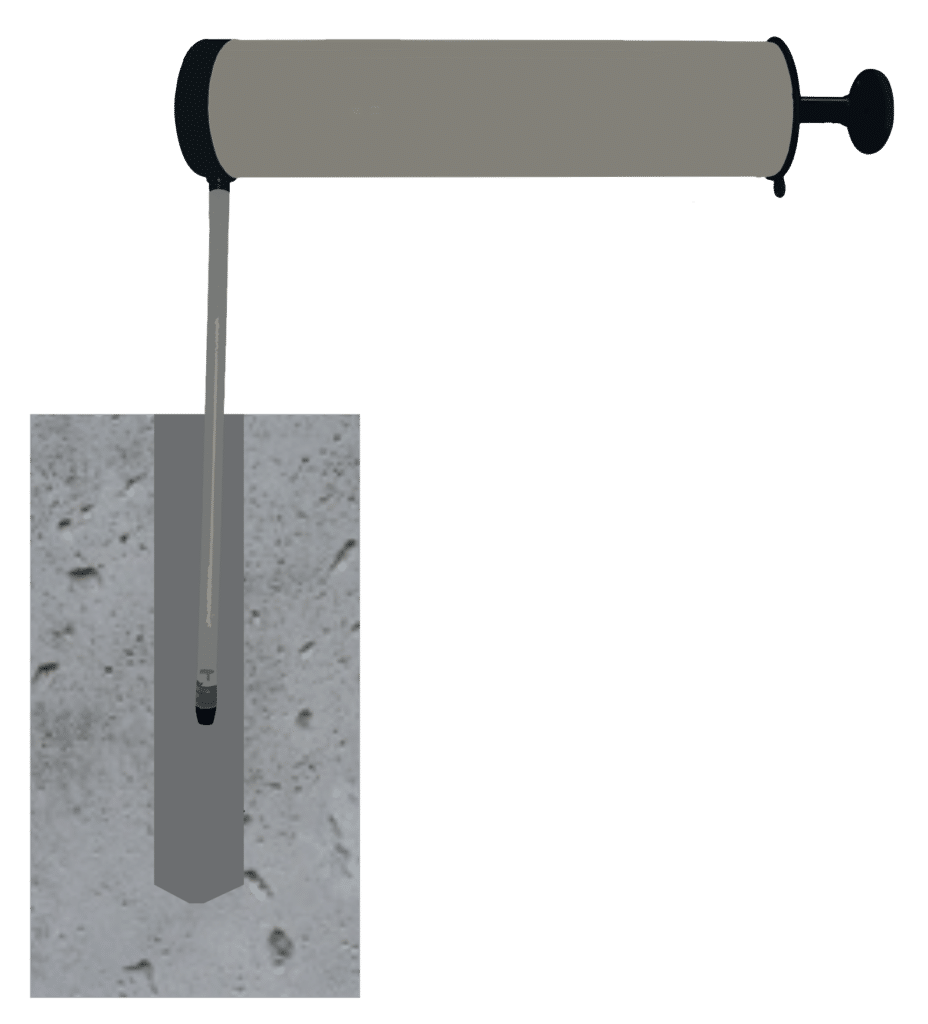
2. Pulire completamente il foro da polvere e residui mediante aria compressa o pompa soffiante, assicurando il contatto ottimale tra ancorante e supporto.
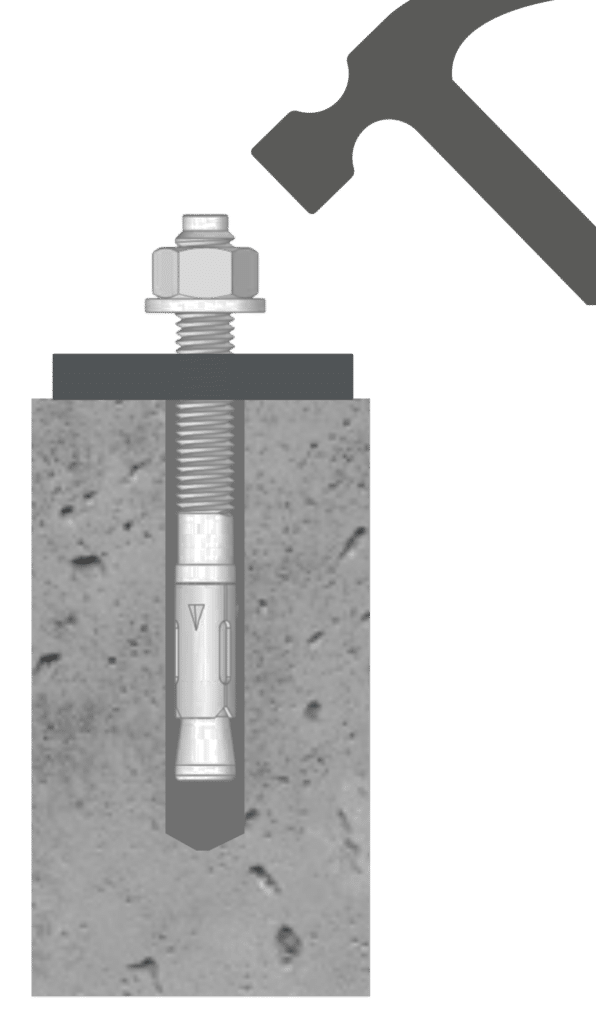
3. Insert the anchor into the hole by tapping it with a hammer, positioning it correctly without damaging either the anchor or the base material.
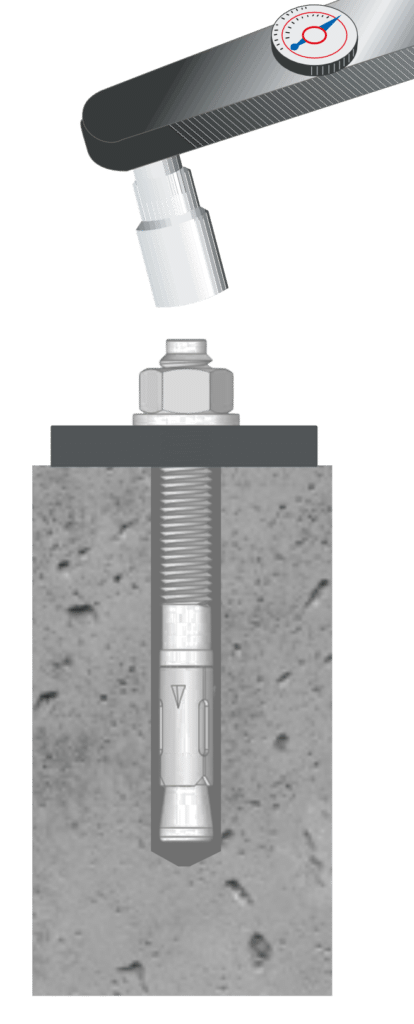
4. Tighten using a torque wrench according to the values specified in the technical data sheet.
Careful execution of all installation steps is crucial to achieve the load capacities stated in technical data sheets and to minimize the risk of structural failure or inadequate resin bonding. Key factors such as proper hole cleaning, correct resin mixing (for chemical anchors), controlled insertion and torque-controlled tightening are essential to ensure consistent, safe, and long-lasting performance. For every application, always refer to updated technical data sheets and ETA (European Technical Assessment) certifications.
Need support or technical advice? Contact us.